THE ART OF STONE FABRICATION: WHERE CREATIVE VISION MEETS MAKING
When we look at a finished piece of architecture, design or public art, our attention naturally goes to the creative vision behind it. We see the form, the material and the details that define the finished work.
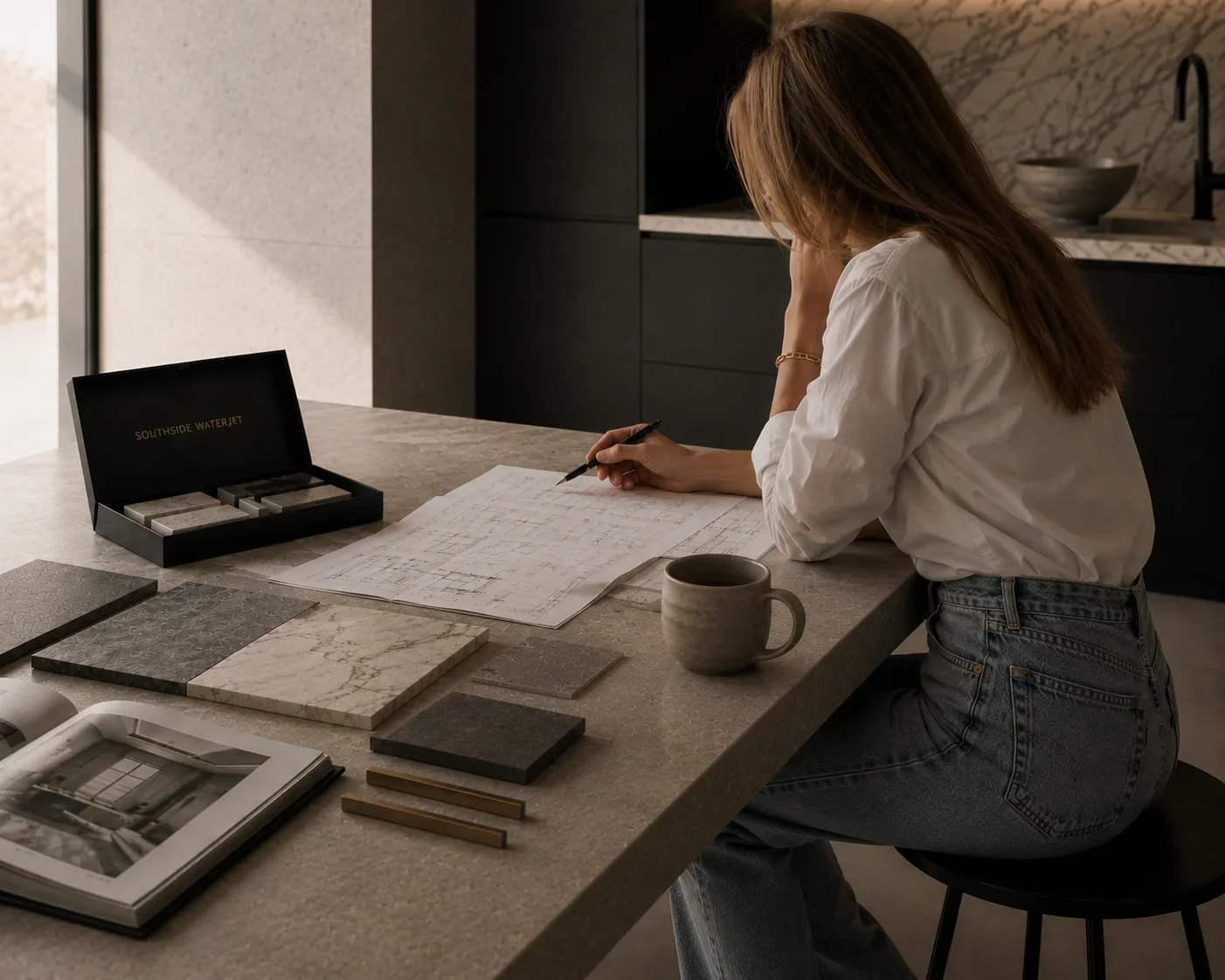
What we rarely see is everything that happened between the original idea and the finished object. For a fabricator, this is often where some of the most interesting work begins because fabrication isn't always simply a matter of being given a drawing and making what is shown. Complex ideas can arrive with questions still to be answered: Can this form be created from this material? How should the components come together? Where can joints sit without interrupting the design? How can a detail be manufactured repeatedly and accurately? And sometimes, has anything quite like this been made before?
Finding those answers requires more than machinery. It requires an understanding of materials, processes and construction but also judgement, experimentation and creative problem-solving.
From Creative Intent to Physical Form
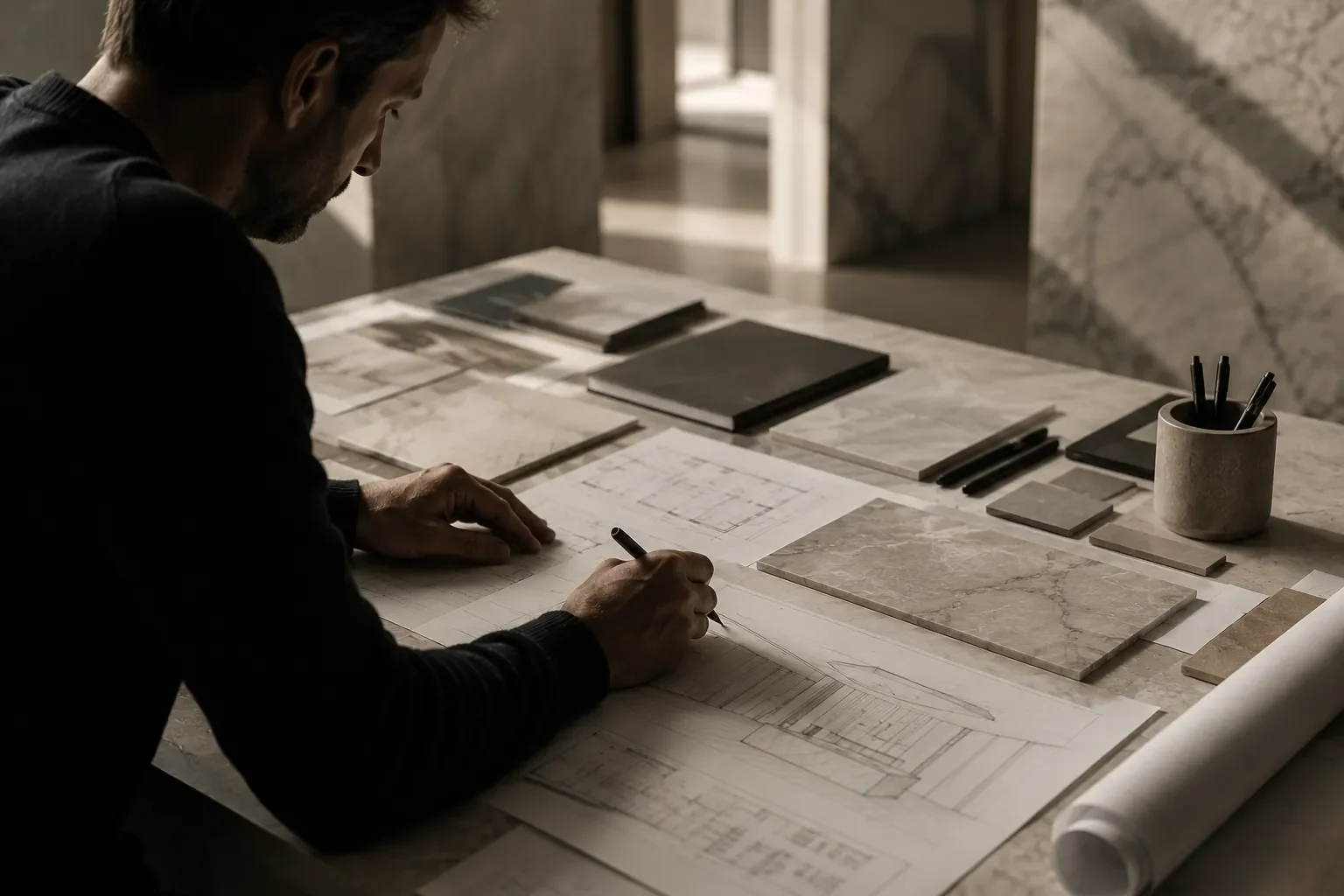
Artists, architects and designers begin with intent. They understand what they want a piece to communicate, how it should occupy a space and how materials, proportion and detail should work together.
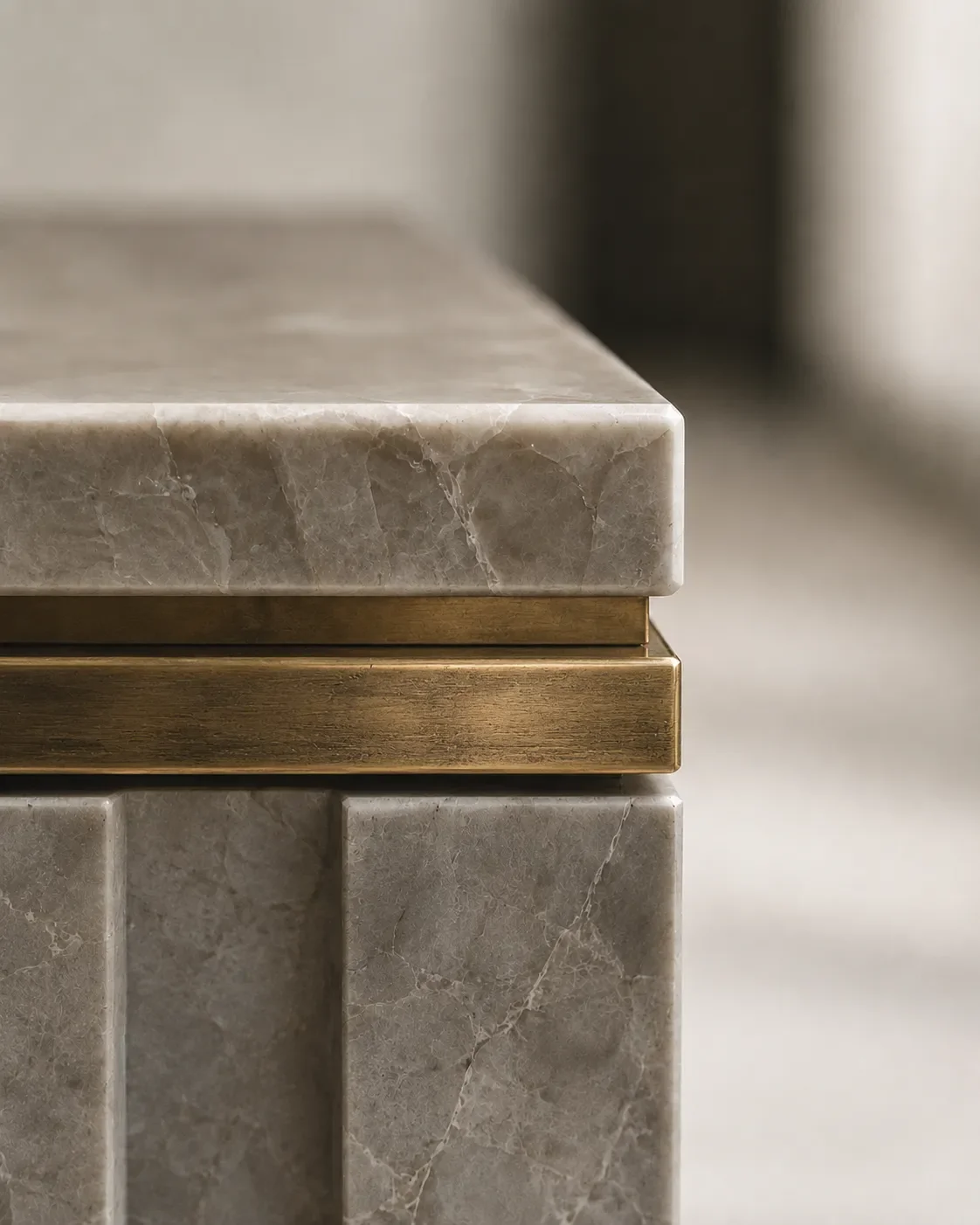
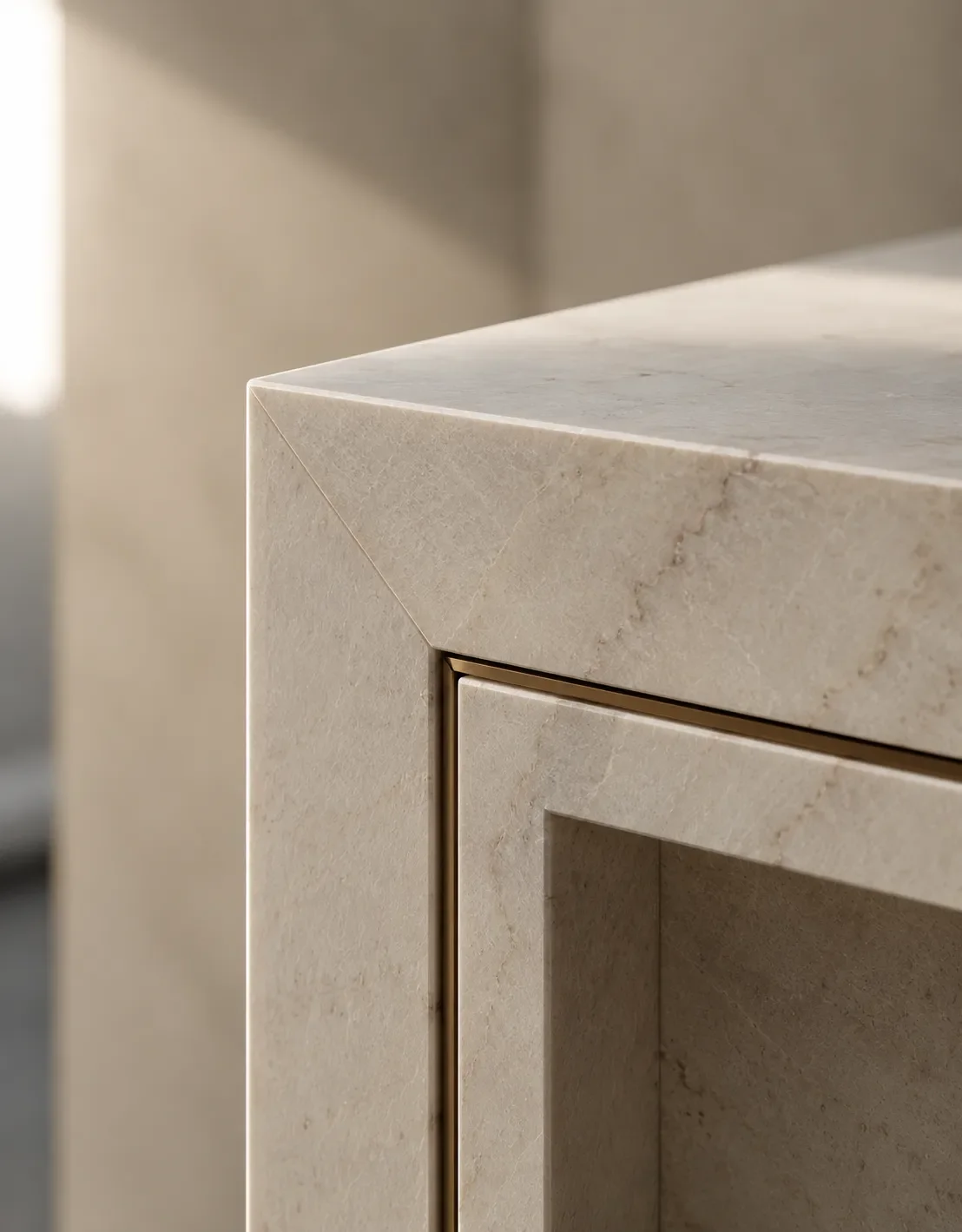
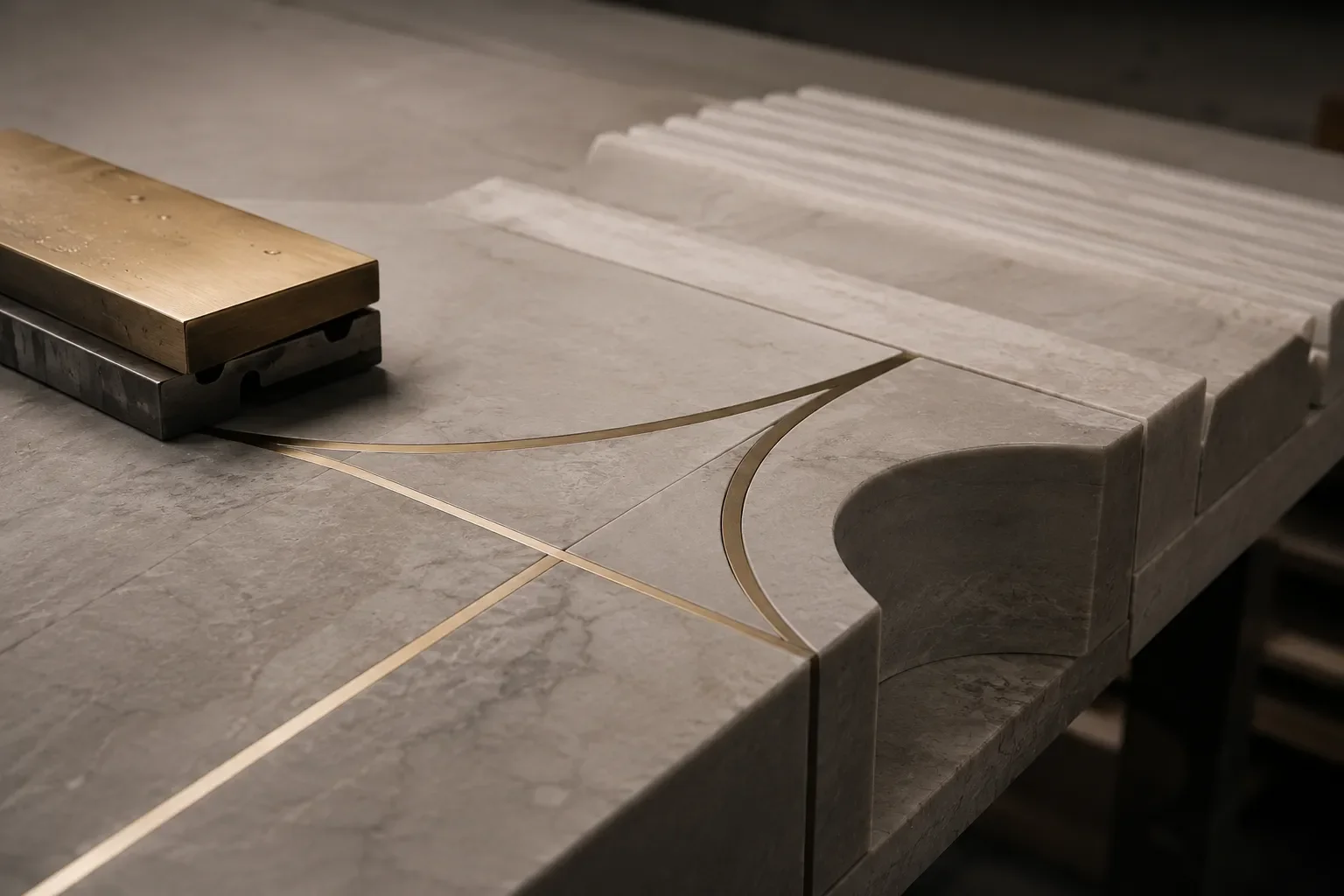
The role of the specialist fabricator is different, but closely connected. We have to understand that intent well enough to determine how it can exist physically. A sweeping curve drawn on paper has to become something that can actually be cut from stone. A perfectly continuous vein may need to travel across several individually fabricated components. A brass detail has to be recessed to exactly the right depth before it can be filled, finished and honed flush with the surrounding surface. Each decision has practical consequences. Good fabrication resolves those consequences without losing sight of the original idea.
The Creativity You Don't See
There is a misconception that creativity happens during design and fabrication begins once all the creative decisions have been made. In reality, the boundary is rarely that clear. A complex fabrication project can involve testing different methods, developing tooling strategies, adapting details to suit the behaviour of a material and finding solutions to problems that only become apparent once making begins. The fabricator isn't redefining the creative vision. The challenge is to find the best way of achieving it. That distinction matters. The best fabrication is often invisible. You see the artist's or designer's intention, not the technical decisions that made it possible.
CHRONOS: Solving the Making
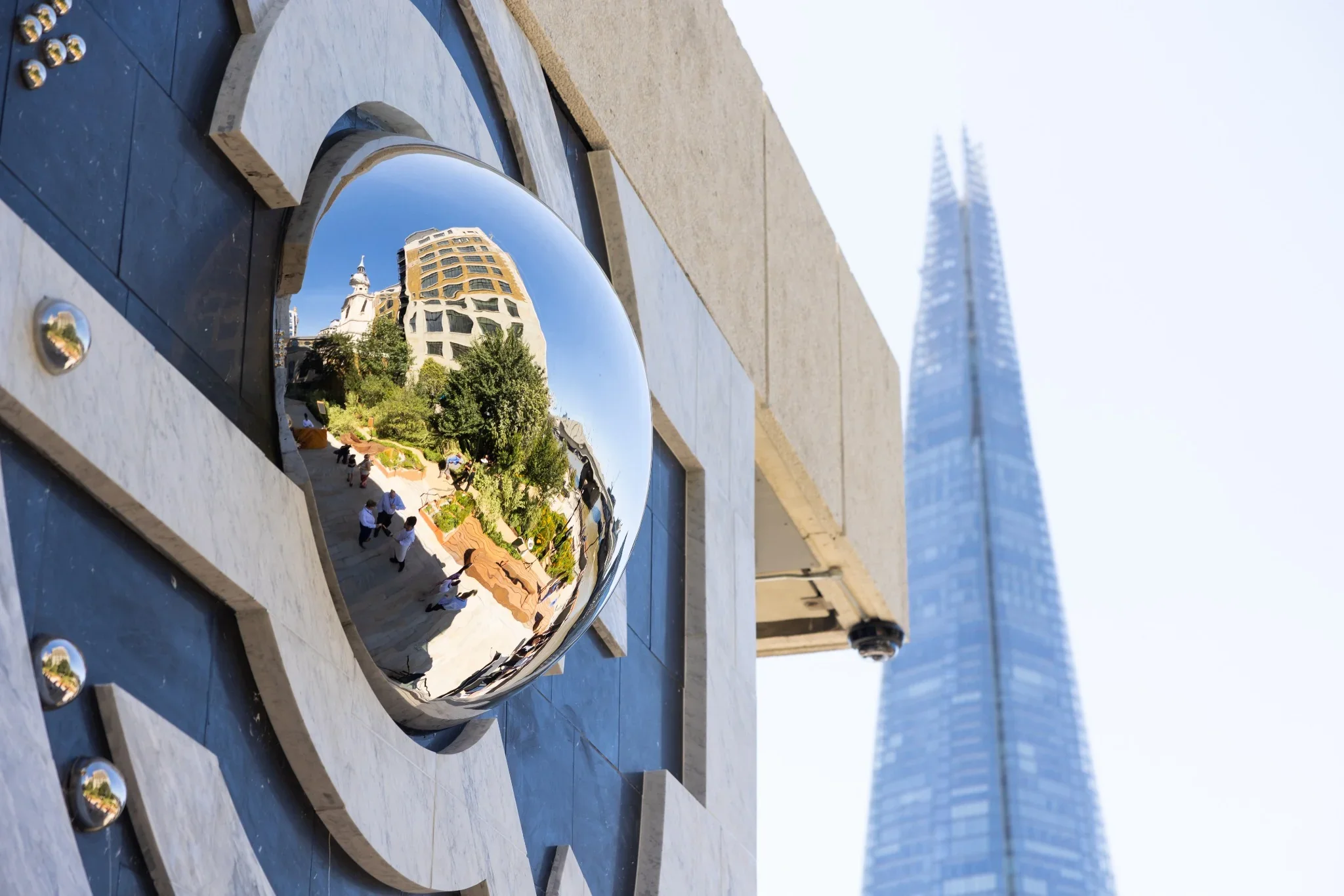
Our recent work fabricating CHRONOS, a public artwork by George Henry Longly for Fresh Wharf, is a good example.
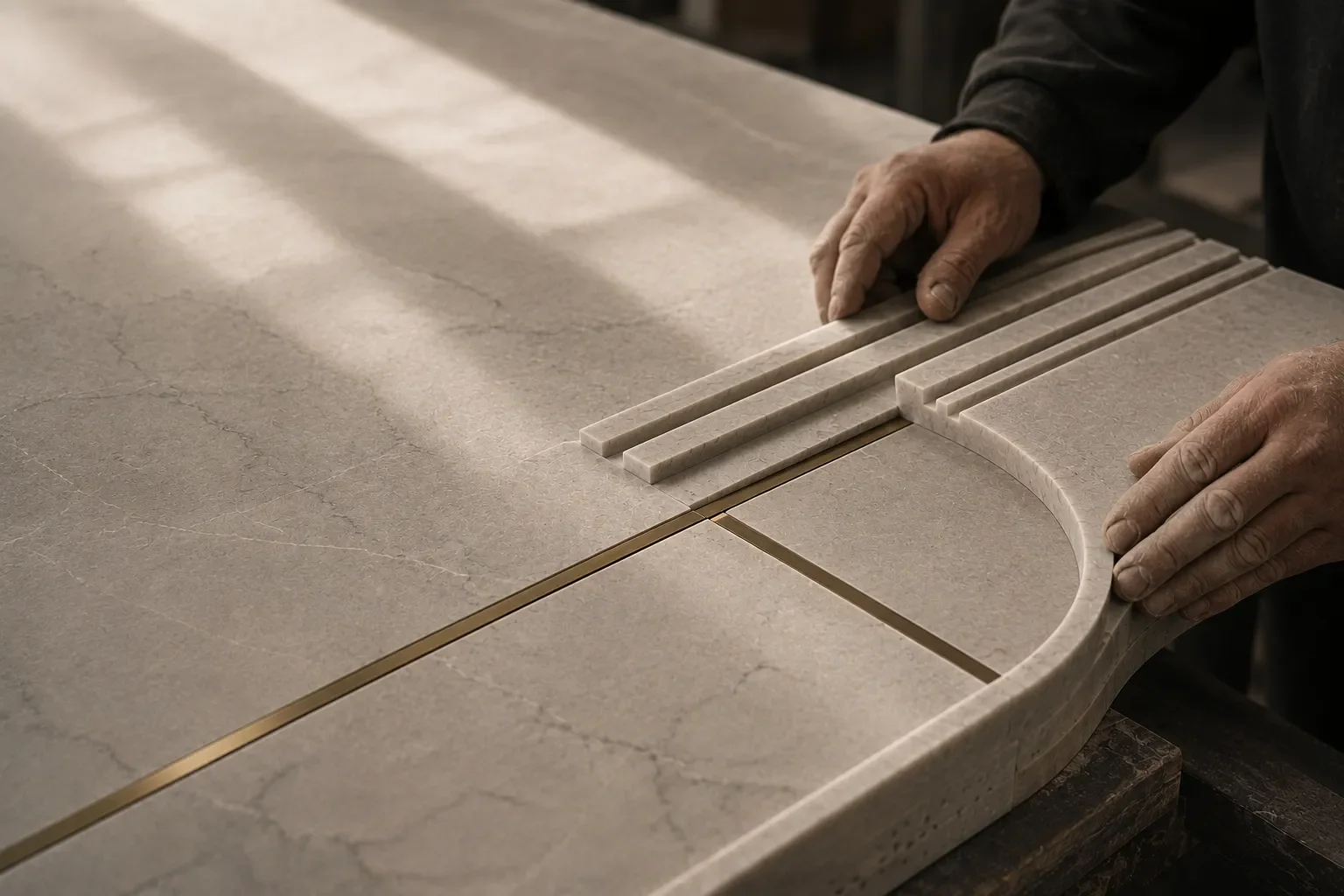
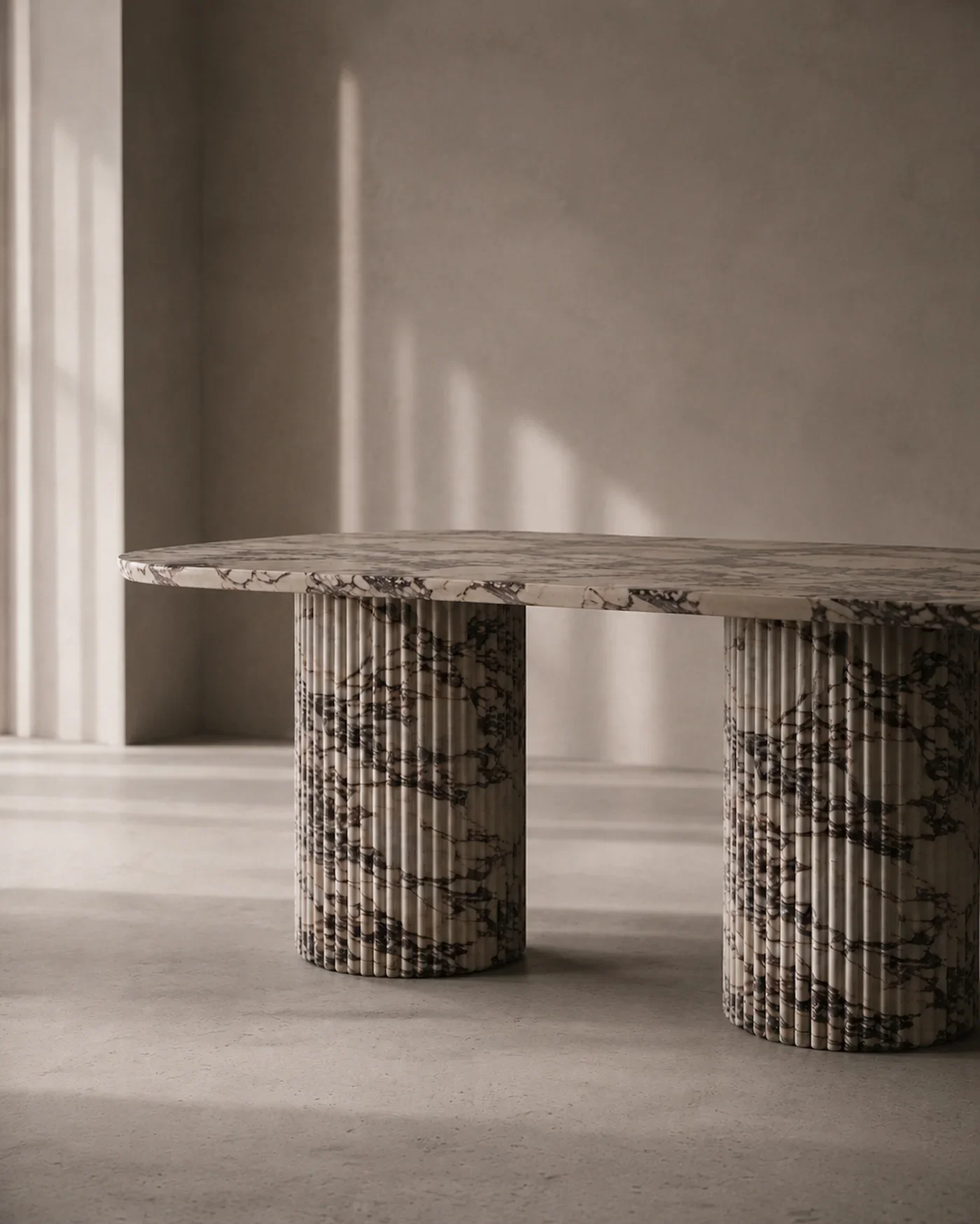
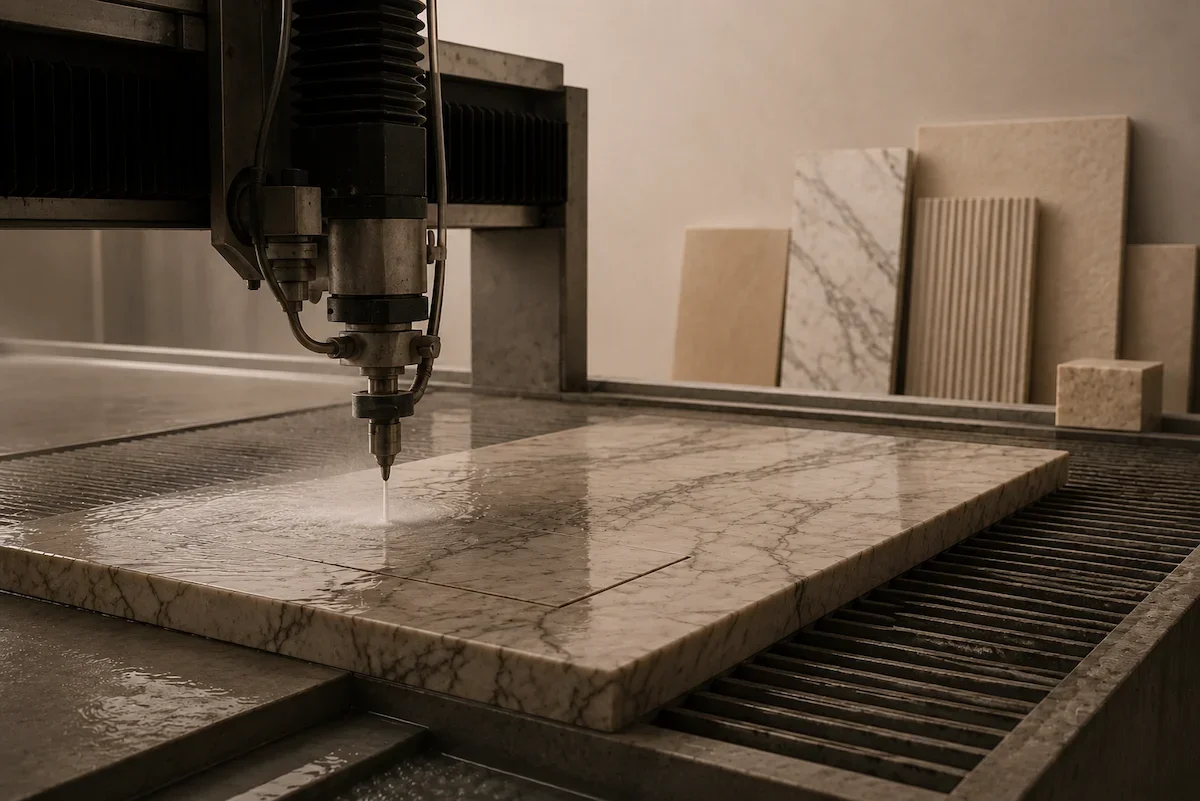
George's artistic vision defined the work. Our challenge was to determine how elements of that vision could be realised in stone. The sculptural columns required individual pieces of stone to be CNC machined to create their curved profiles. The positioning of those components across the original slabs had to be carefully considered so that the natural veining remained aligned when the pieces were assembled.
Even the brass detailing involved its own fabrication process. A vinyl plotter was used to cut a rubber sandblasting mask containing the artwork. This was applied to the stone before the exposed areas were sandblasted to create a recessed pattern. Brass powder mixed with epoxy resin was then introduced into those recesses before being honed by hand to create a smooth finish flush with the stone.
None of those processes are visible when you stand in front of the completed artwork. And that's precisely the point. The technical work exists to serve the finished piece.
Material Knowledge Changes What Is Possible
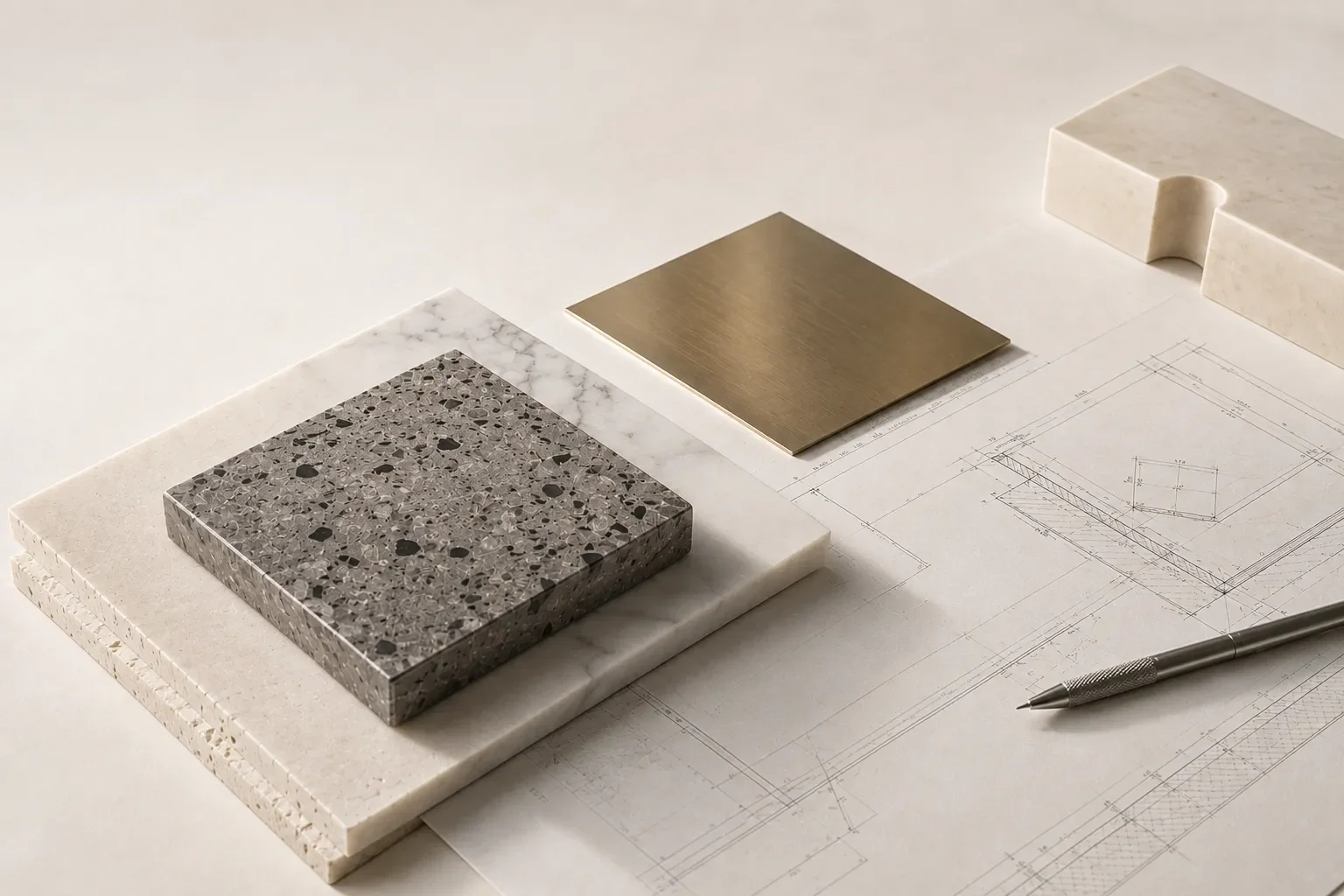
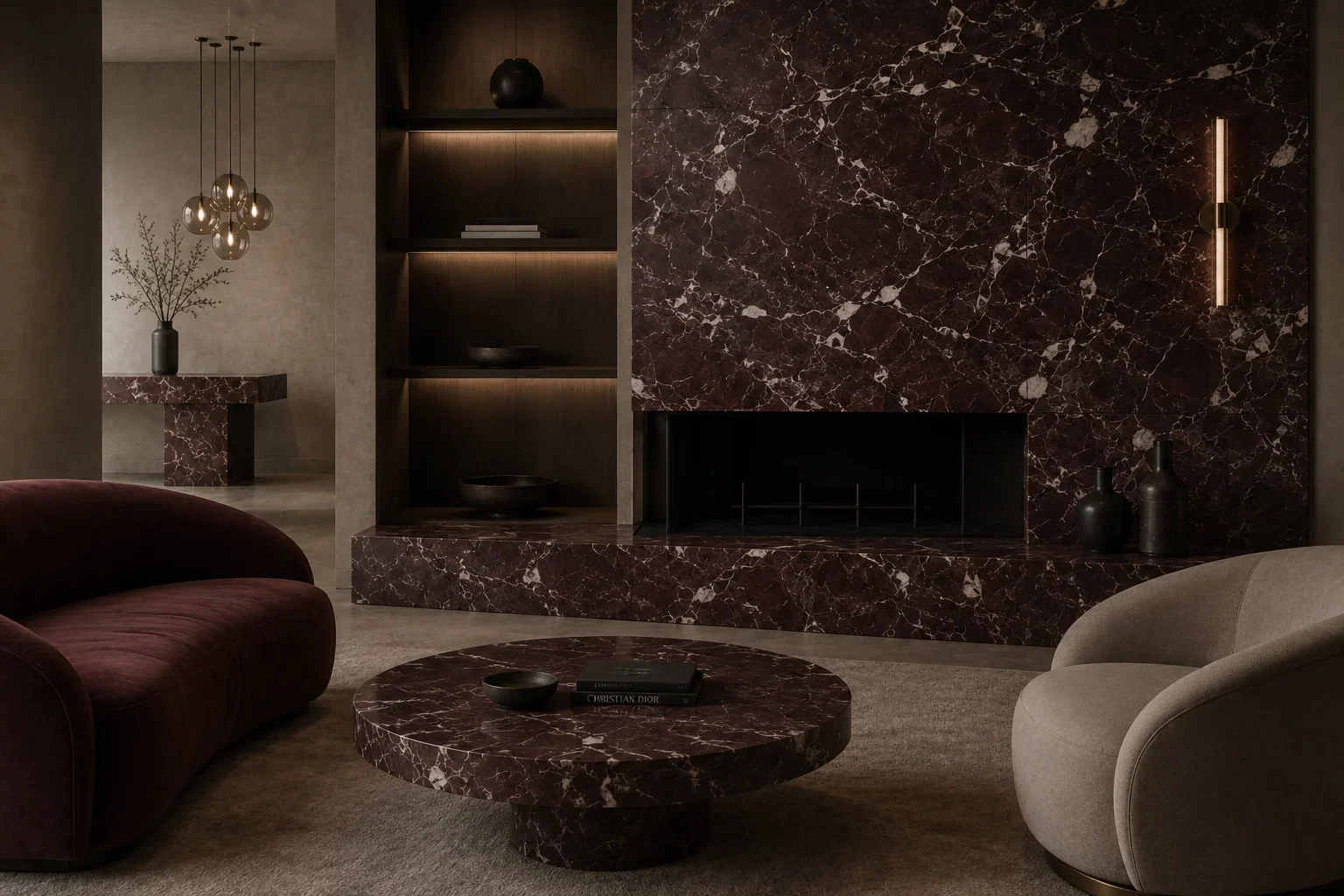
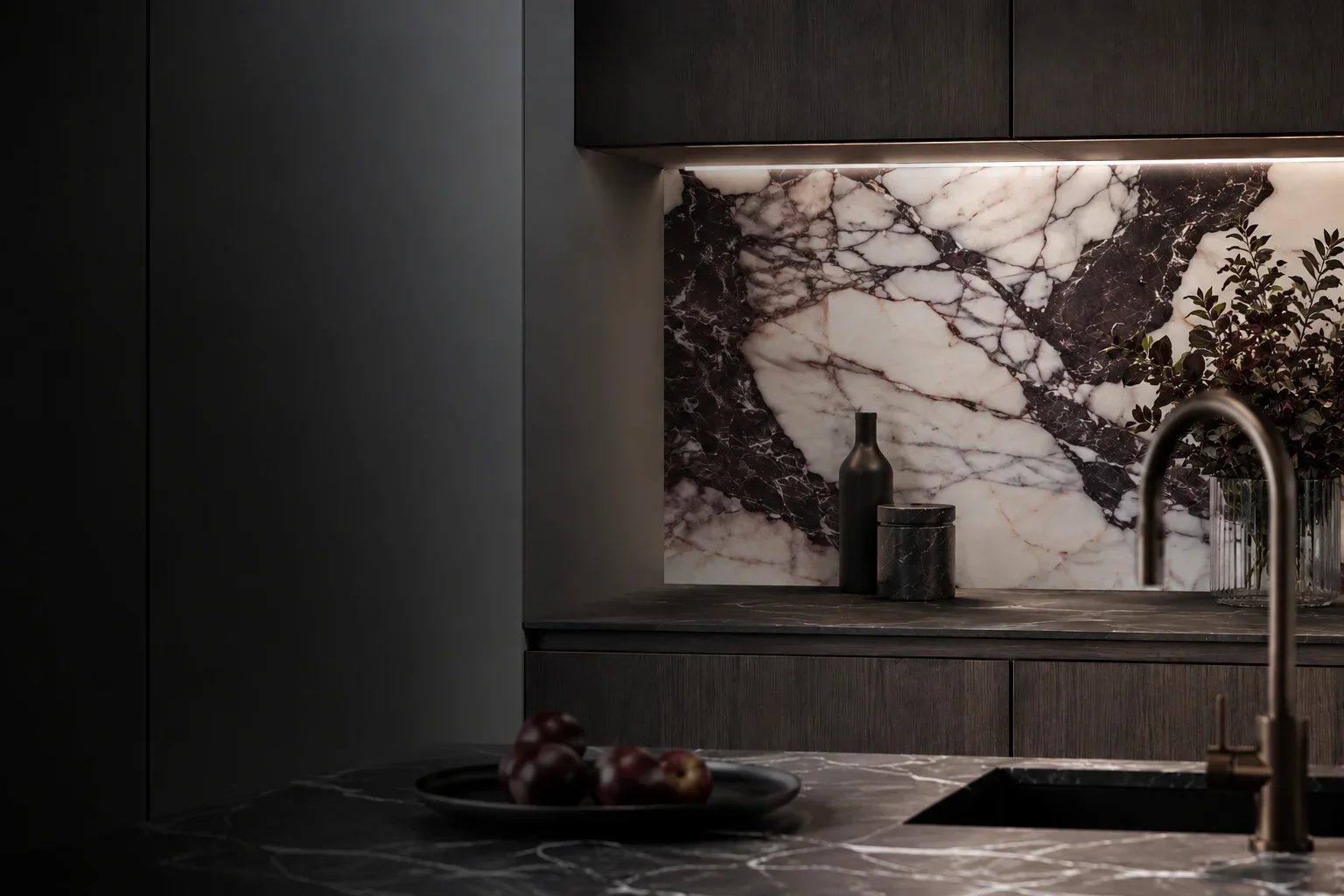
Materials don't always behave in the way a drawing suggests they should. Natural stone varies in strength, structure and veining. Porcelain introduces its own constraints. Metals, resins and adhesives behave differently again. When several materials meet within one detail, tolerances and sequencing become increasingly important. Experience teaches a fabricator where those limits are. But perhaps more importantly, it teaches you where they can be pushed.
Sometimes a conversation with a fabricator results in a detail being simplified. At other times, understanding the available processes allows an architect, designer or artist to go further than they originally thought possible. That is why specialist fabrication knowledge is most valuable when it becomes part of the conversation rather than simply the final stage of production.
Protecting the Idea, Not Changing It
Collaboration between creative and technical disciplines works best when everyone understands their role.
The artist remains the author of the artwork. The architect remains responsible for the architectural vision.
Fabrication brings another form of expertise to that process: understanding how an idea can be translated into material while preserving what made the idea important in the first place. Sometimes that means developing an entirely new way of making something. Sometimes it means proposing a tiny adjustment that makes an ambitious detail achievable. And sometimes it means knowing that the original approach will work and having the confidence and experience to execute it. In each case, the objective is the same. To make the technical solution disappear into the finished result.
Where Vision Meets Making
Perhaps the relationship between design and fabrication shouldn't be thought of as a line at all.
The most successful projects tend to emerge when there is an ongoing conversation between the people imagining something and the people responsible for making it. One brings creative intent. The other brings material understanding, technical knowledge and the experience to turn that intent into something physical. And somewhere between the two, an idea becomes something you can stand in front of, walk through, touch or use.
That space between vision and making is where specialist fabrication earns its place in the creative process.